- Fine Embroidery
A classic and timeless decorative technique that uses computer or hand-controlled embroidery threads to form delicate, three-dimensional patterns on the fabric surface, accurately reproducing complex lines and details. Highly adaptable, it delivers neat and refined texture for logos, text, and illustrations alike.
Advantages:Premium texture, three-dimensional and timeless appearance, wash-resistant with no fading or deformation, crisp clean pattern edges, simple and versatile style.
Disadvantages:High cost for large-area patterns; tiny intricate patterns are hard to refine; slightly thick material with partial stiffness.

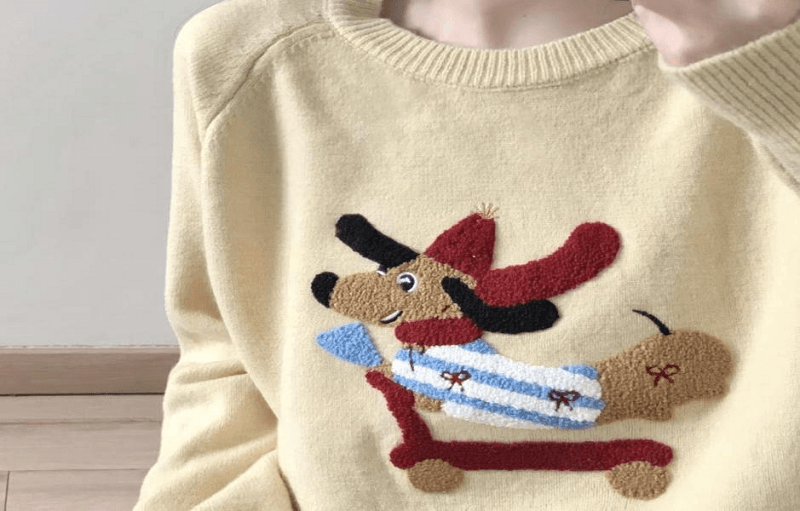
2、Towel Embroidery
A special embroidery technique with a looped texture. It creates fluffy and three-dimensional loop patterns on the fabric surface using special towel embroidery stitches, resulting in a texture similar to the pile of a towel. Towel embroidery can be directly applied to both knitted and woven fabrics. By adjusting the density and height of the loops, different plush effects can be achieved, giving the patterns a soft touch and strong three-dimensional feel.
Advantages: Soft and fluffy loop texture, excellent three-dimensionality and touch, strong pattern expressiveness, with a natural retro and cute style.
Disadvantages: Not suitable for fine and complex small patterns; large-area embroidery may cause the fabric to stiffen, and the cost is higher than ordinary flat embroidery.
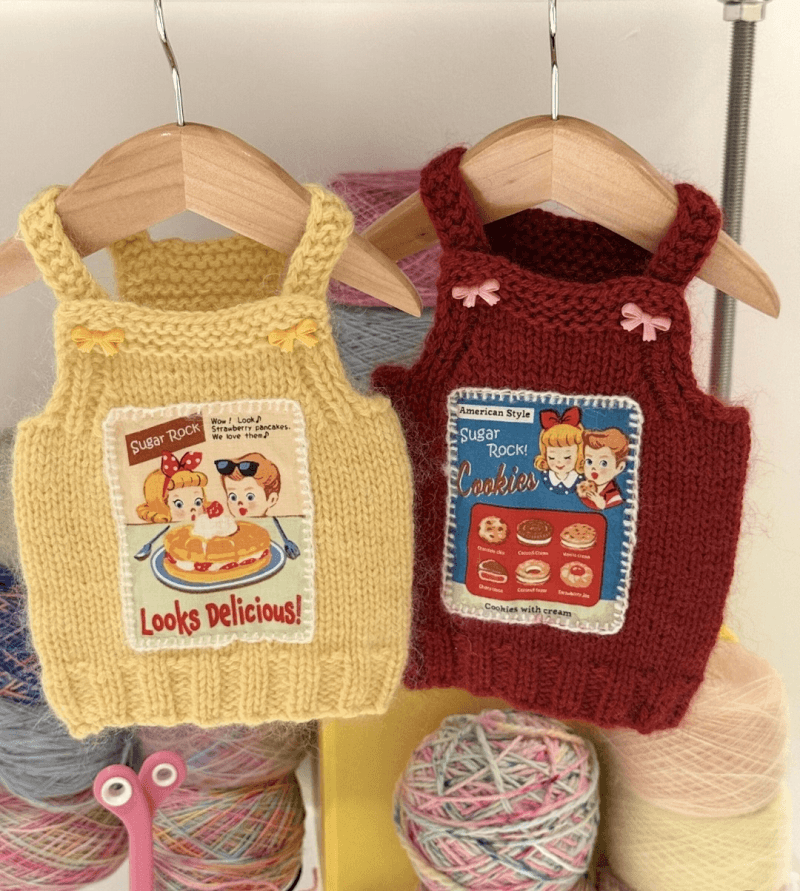
3、Applique Embroidery
A craft that combines decoration and durability. First, cut patterned fabric patches and fix them onto the surface of the base fabric, then securely stitch them in place with overcast stitch, running stitch and other embroidery techniques. It delivers rich layered patterns and a spliced texture. Applique embroidery can be flexibly matched with various fabrics and colors. It can also cover fabric flaws to achieve diverse stylized designs.
Advantages: Complete pattern presentation, full and vivid colors, suitable for complex cartoon designs, fast production for large-area patterns, high cost performance.
Disadvantages: Edges tend to fray after long-term washing; the hand feel is slightly stiffer than direct embroidery.
4、Jacquard Craft
A technique that weaves patterns directly into fabric during the weaving process on a loom. Yarns interlace in warp and weft to form embossed or layered color effects, with patterns integrated seamlessly into the fabric and hardly prone to peeling off. Jacquard craft is divided into plain jacquard, satin jacquard and large jacquard, which can present delicate subtle patterns or three-dimensional embossed texture.
Advantages: No raised surface, smooth and comfortable all over, never cracks or fades, extremely durable, top-tier premium texture, widely used by luxury brands.
Disadvantages: High minimum order quantity, high cost, troublesome style modification, not cost-effective for small orders.
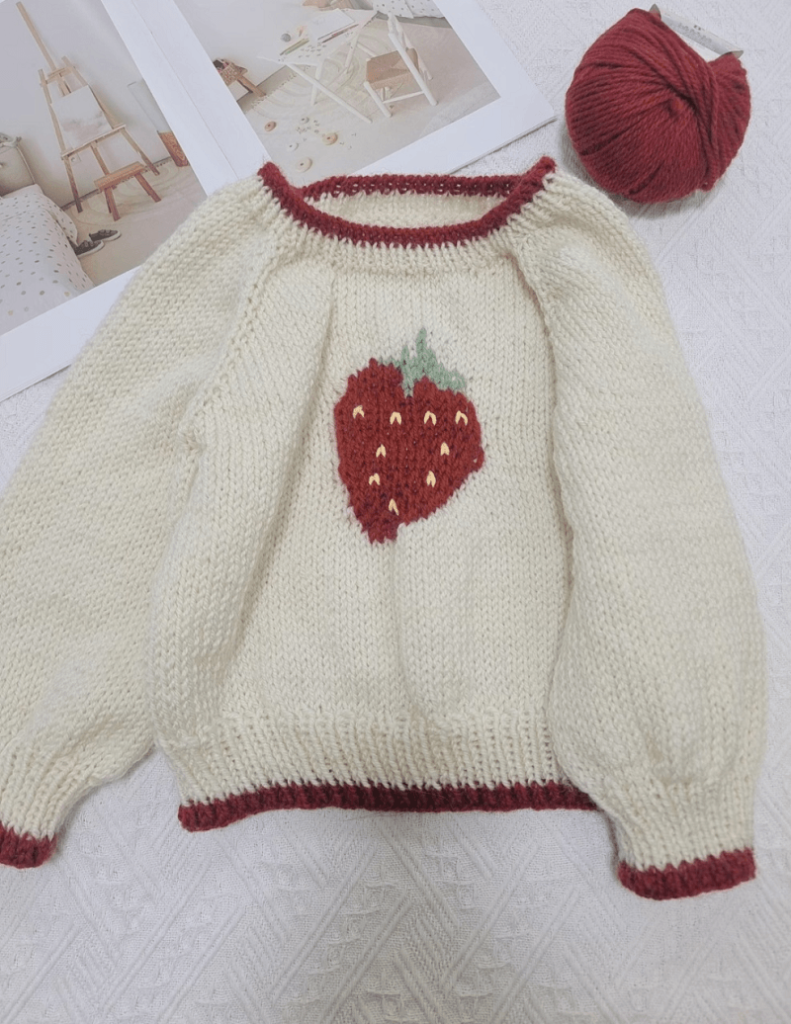
5、Offset Printing (Printing, non-embroidery)
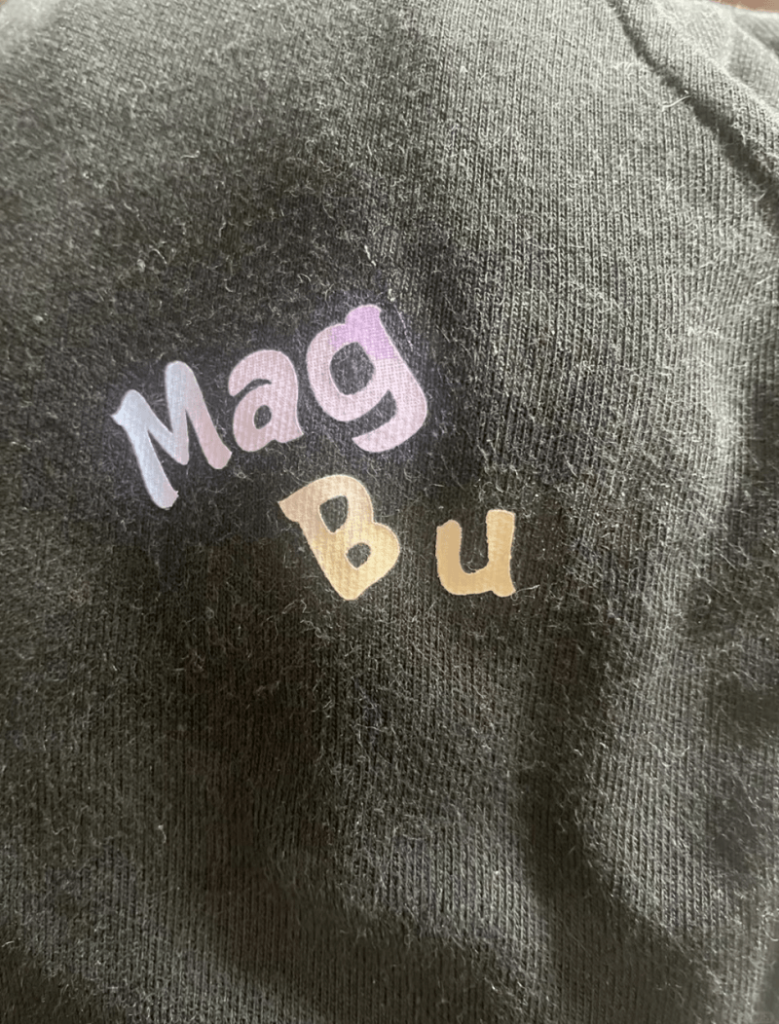
One of the most widely used basic printing techniques. Mixed ink is directly screen-printed onto the fabric surface, then dried and heat-set to complete pattern transfer. Offset printing features controllable cost and stable color reproduction. It is a general term for various flat printing processes such as rubber paste printing and water-based paste printing, compatible with most fabrics like cotton and polyester. Advantages: Lowest cost; available for gradient colors and complex illustrations; suitable for full-surface large-area printing; no extra thickness, comfortable against skin.
Disadvantages: Prone to cracking and peeling after repeated washing; lacks three-dimensional texture; lower grade than embroidery.
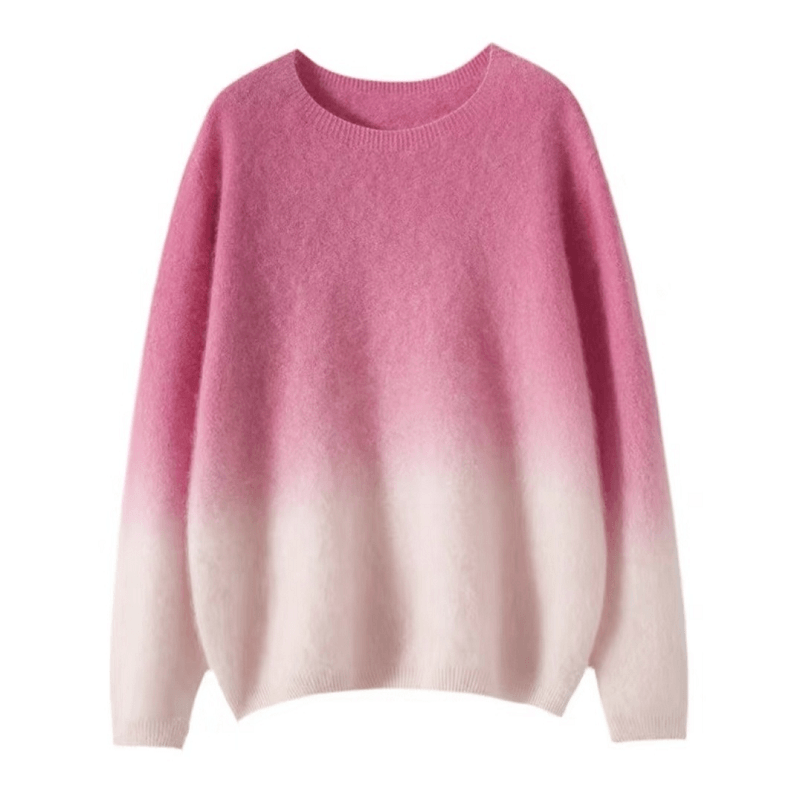
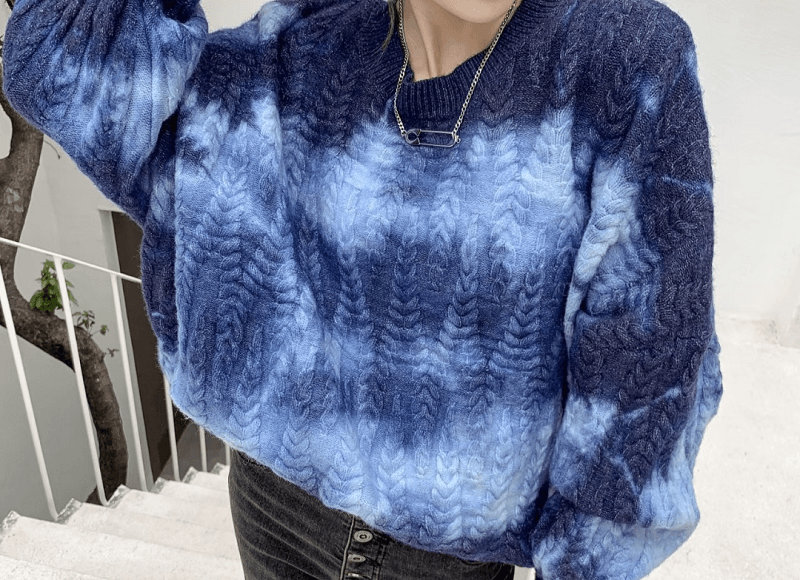
6、Dip Dye / Tie-dye Craft
A dyeing technique with a unique gradient blending effect. The fabric is resist-dyed by binding, knotting, folding and other methods, then soaked in dye liquid for coloring. It creates naturally blended, layered gradient color effects on the fabric. Dip dye and tie-dye are mainly handmade. The dye penetrates and spreads on the fabric, forming one-of-a-kind textures and color blending effects for every piece.
Advantages: Natural and soft color transition, strong artistic sense and atmospheric appeal; each finished piece features exclusive gradient textures. Disadvantages: Not suitable for patterns requiring high color uniformity; highly dependent on skilled manual operation; high cost for large-area solid-color dip dyeing. Color control is difficult, high-precision pattern positioning is hard to achieve; the gradient effect of large-area solid colors is unstable, and dye fixation costs are relatively high for some fabrics.